
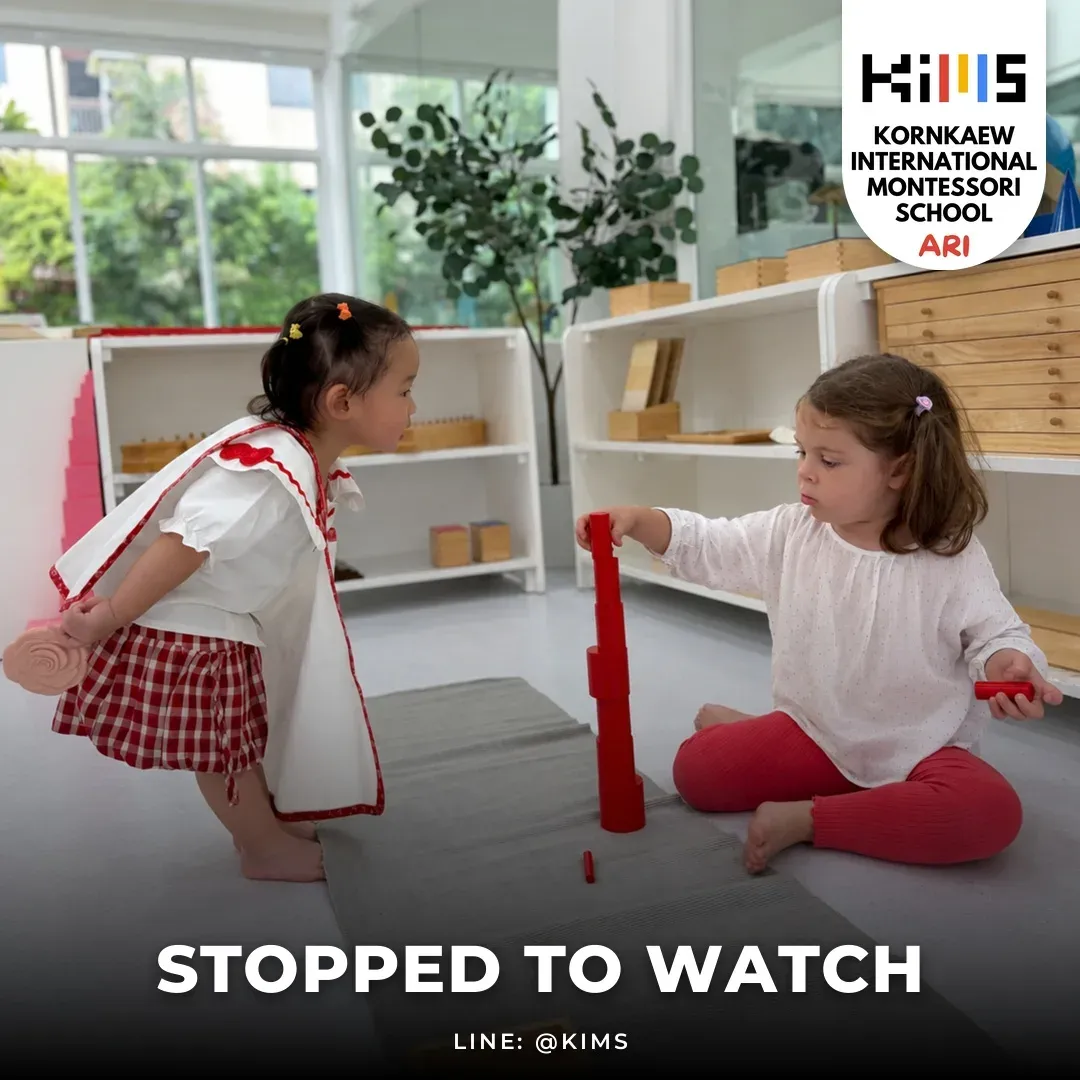
One child is at work with her material. Another was walking past, and stopped. Watching is how a great deal of learning begins in a mixed-age classroom, long before a child takes up the work herself.
A moment from the school every week, as we share it with our families on Facebook, Instagram and LINE.
One child is at work with her material. Another was walking past, and stopped. Watching is how a great deal of learning begins in a mixed-age classroom, long before a child takes up the work herself.
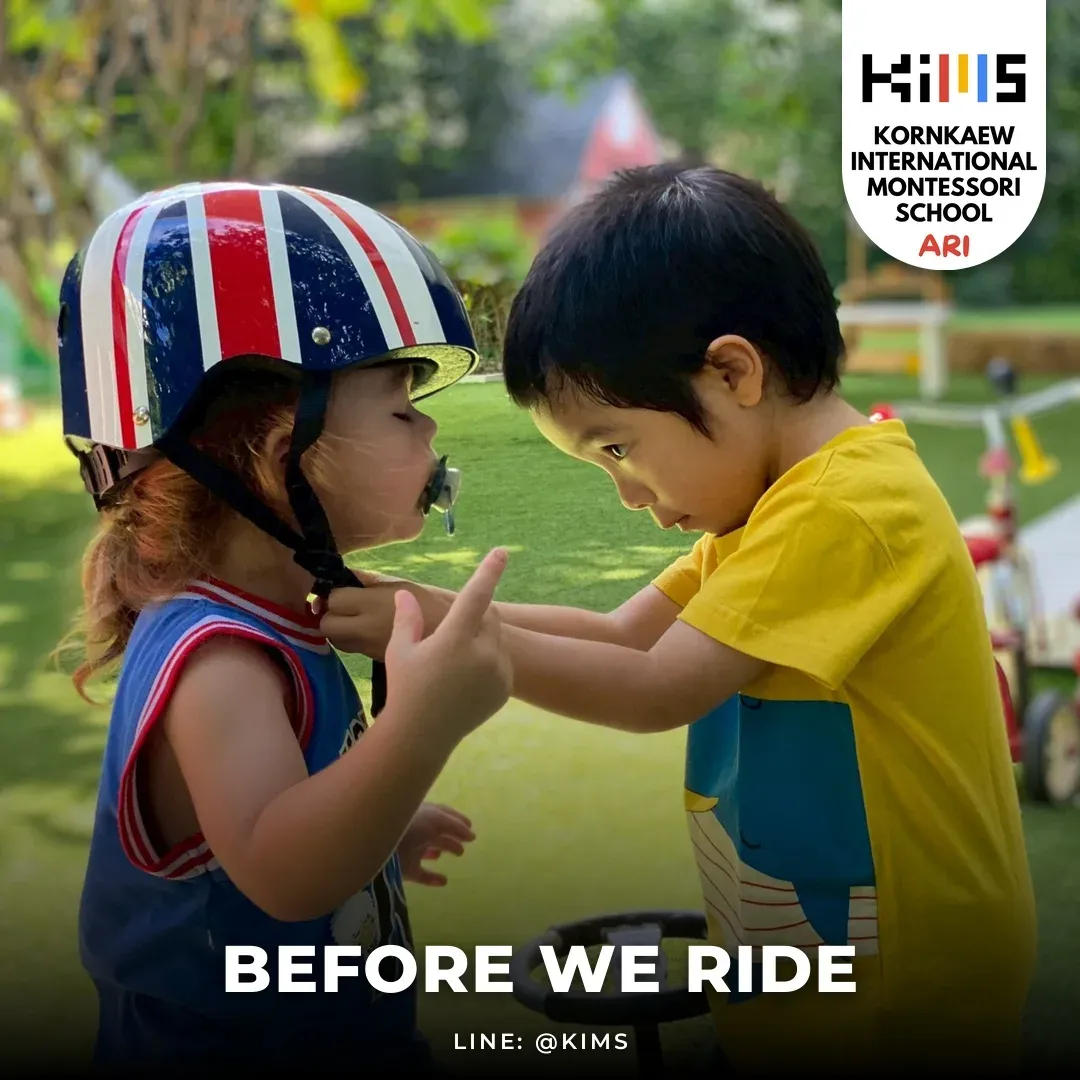
Helmets on before the wheels move. An older child fastening the strap for a younger one is how a safety routine and a habit of looking after someone else get learned at the same time.
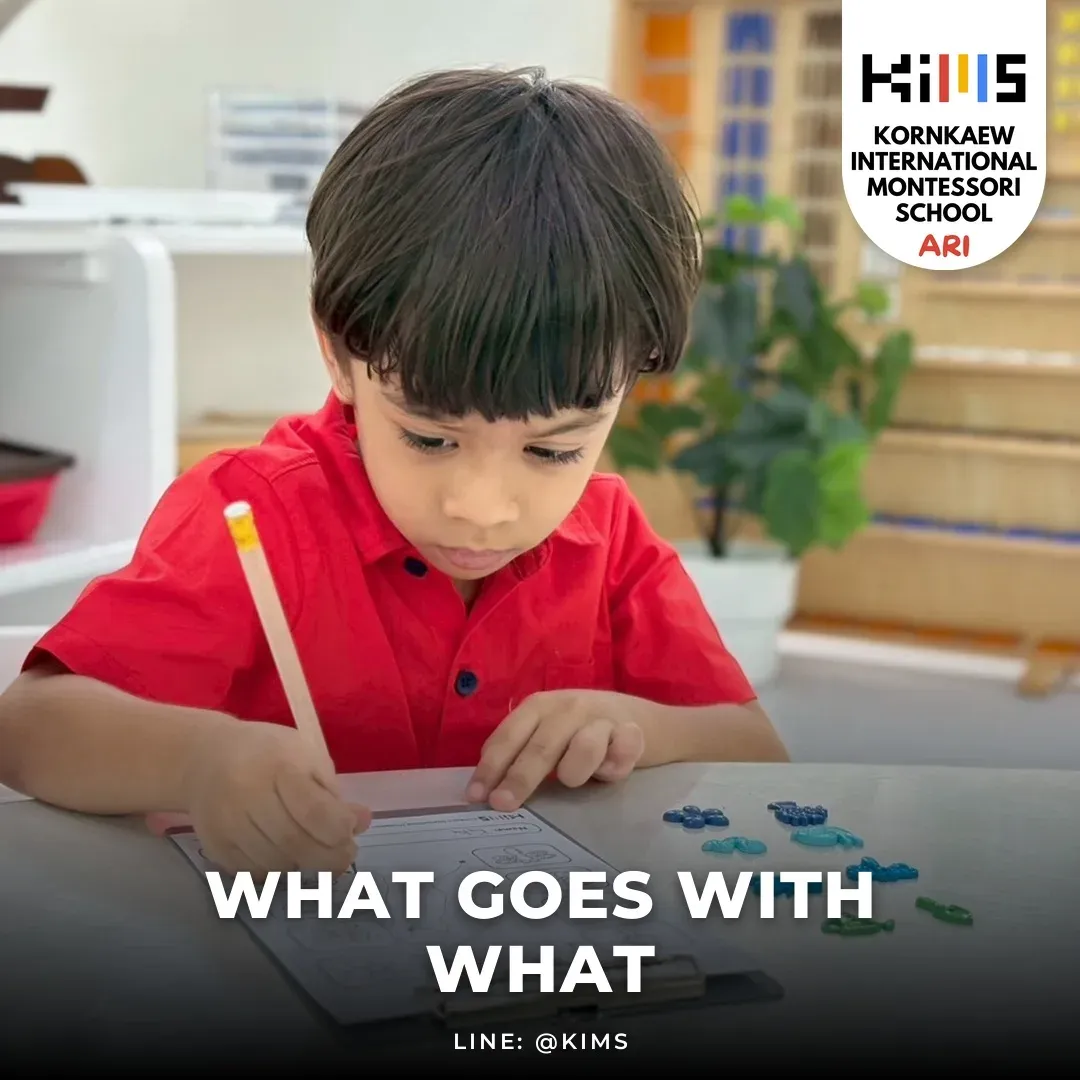
A spade goes with a watering can. A worm goes with a snail. Long before children read a sentence, they are learning to notice how one thing belongs with another, and that habit of noticing is what later carries them through reading and mathematics.
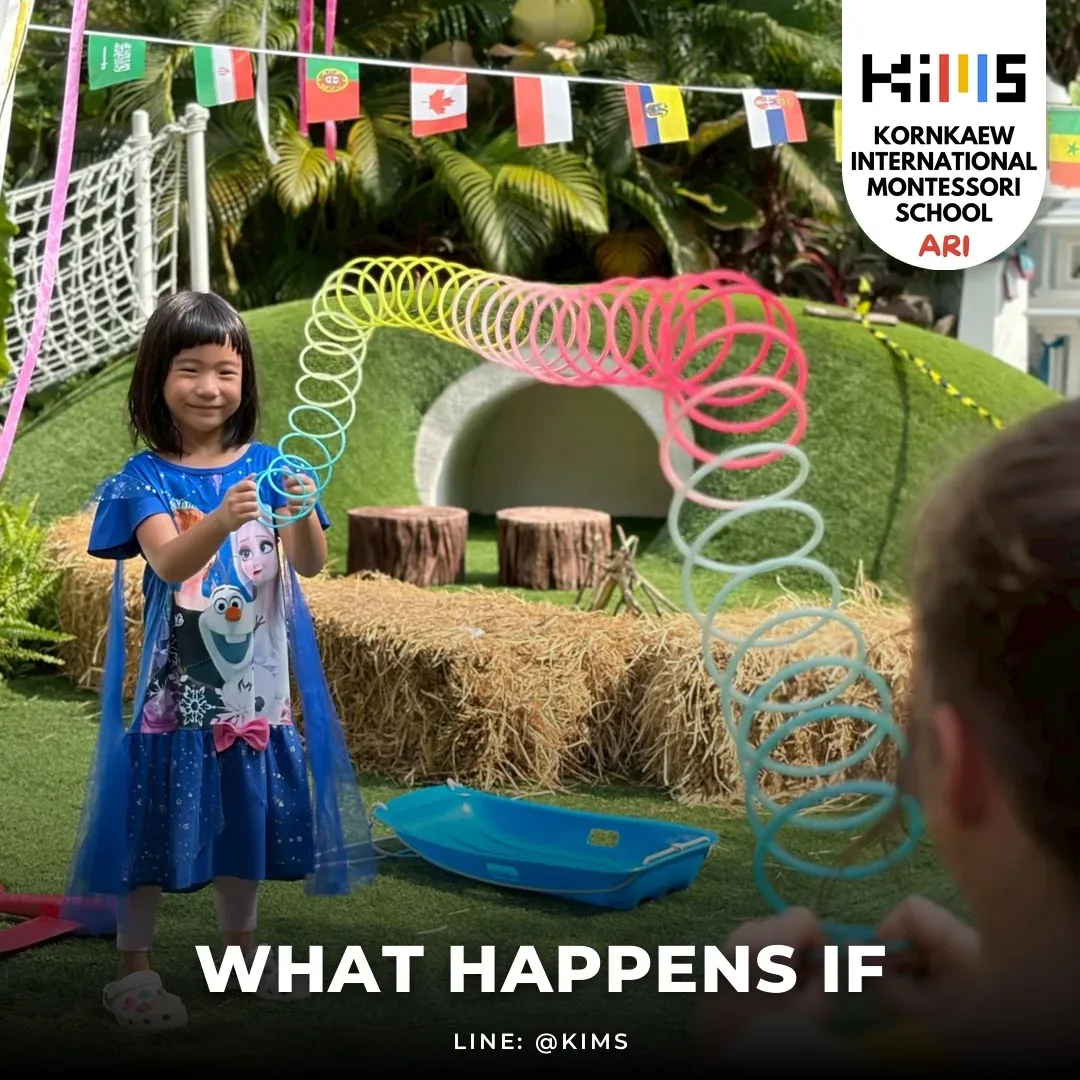
Give children open materials and no instructions, and the experimenting begins on its own. Stretching something to see how far it will go is a first lesson in physics, and working out whose turn is next is a first lesson in getting along. Our Creative Play Space is built for the questions children ask themselves.
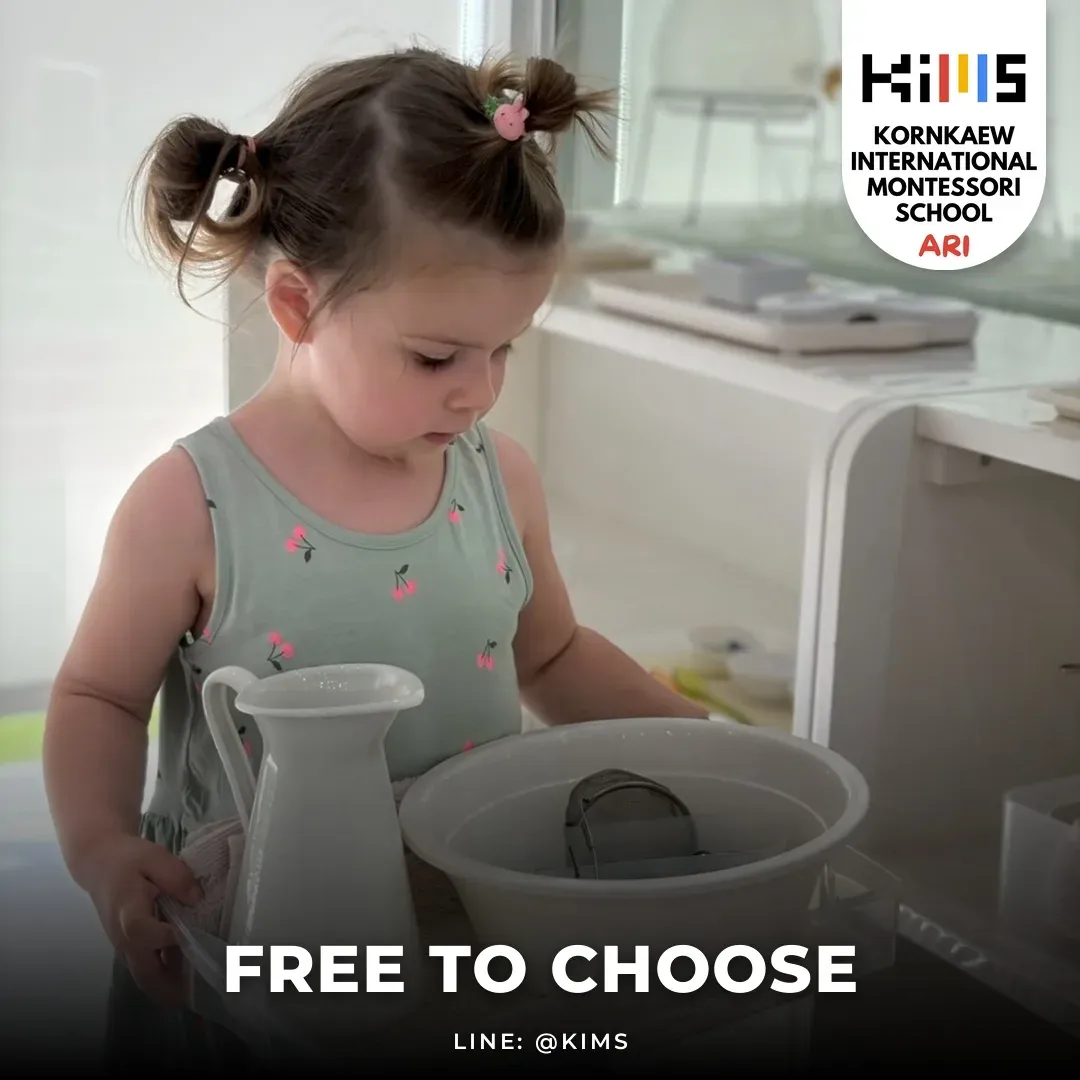
There is no adult handing over the work here, and that is the point. In a Montessori classroom everything sits at a child's height, so children choose their own activity and carry it to their mat themselves. That small act of choosing deepens focus and builds motivation from within. Independence is not given to a child; it is made room for.
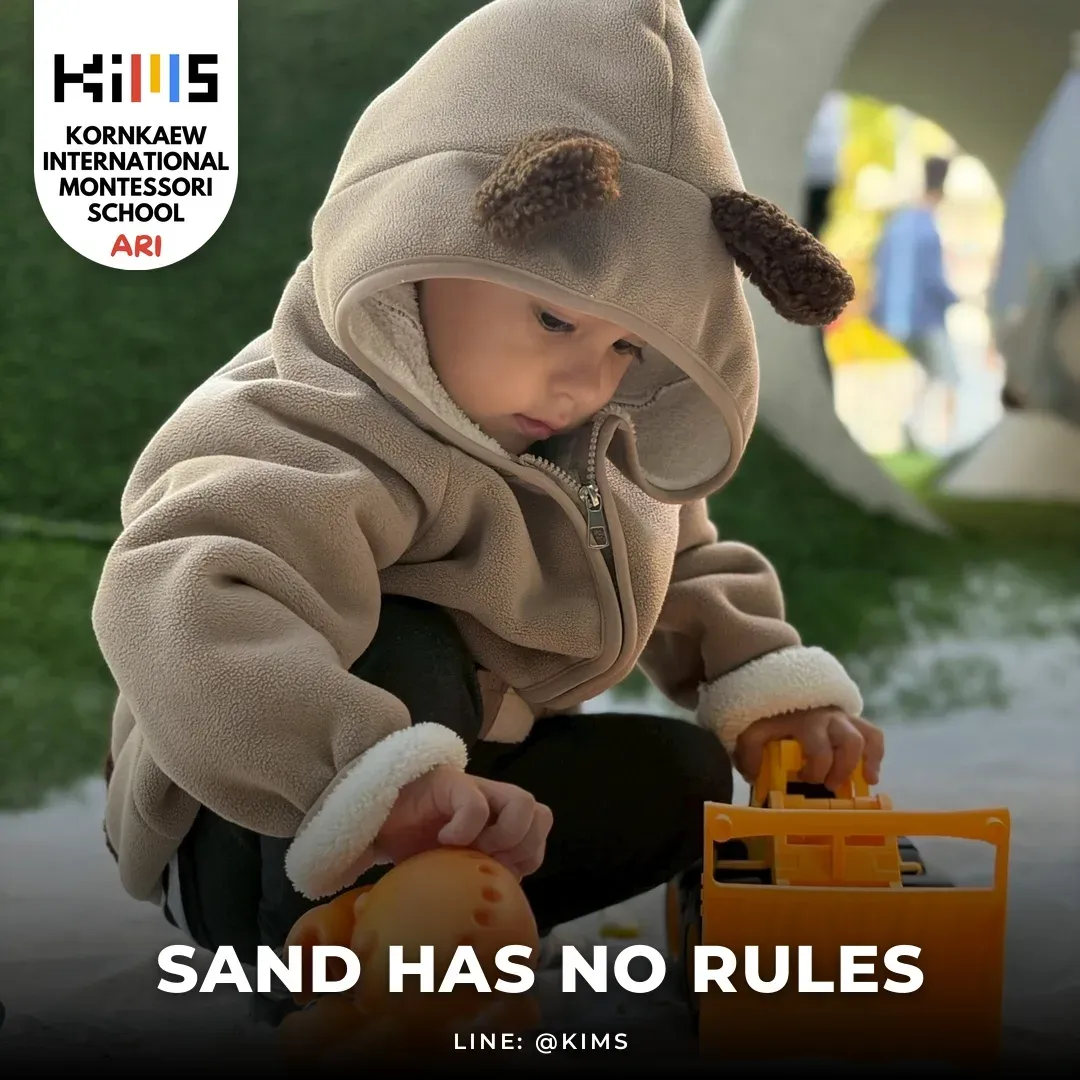
Sand has no fixed shape, which is exactly the point. Because it can become anything, a child digging and pouring has to let his imagination do the rest. Open-ended play like this builds creativity, problem-solving and focus, with no instructions required.
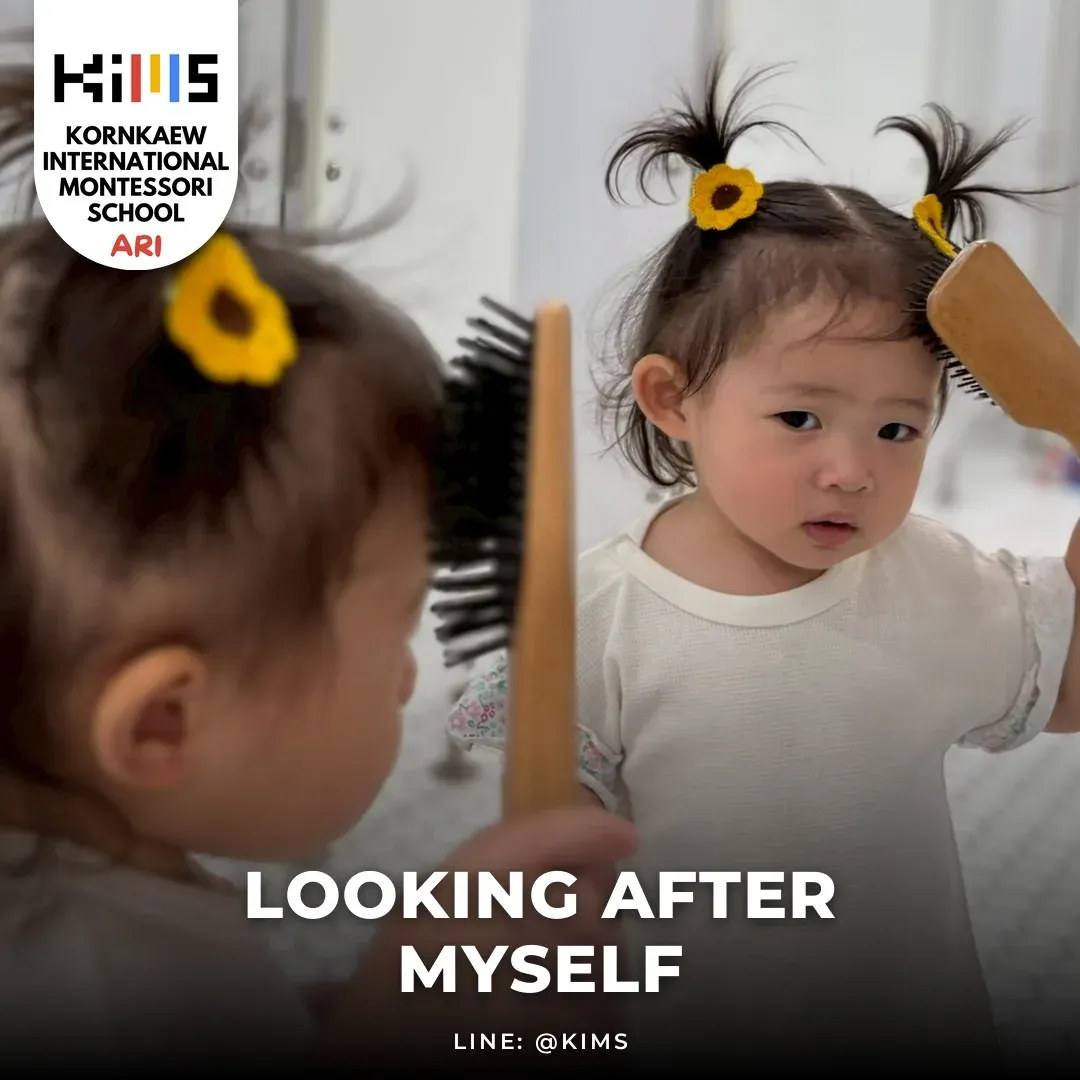
The smallest acts of self-care are where confidence begins. Brushing her own hair, at her own pace, is real work in a Montessori classroom, part of Practical Life.
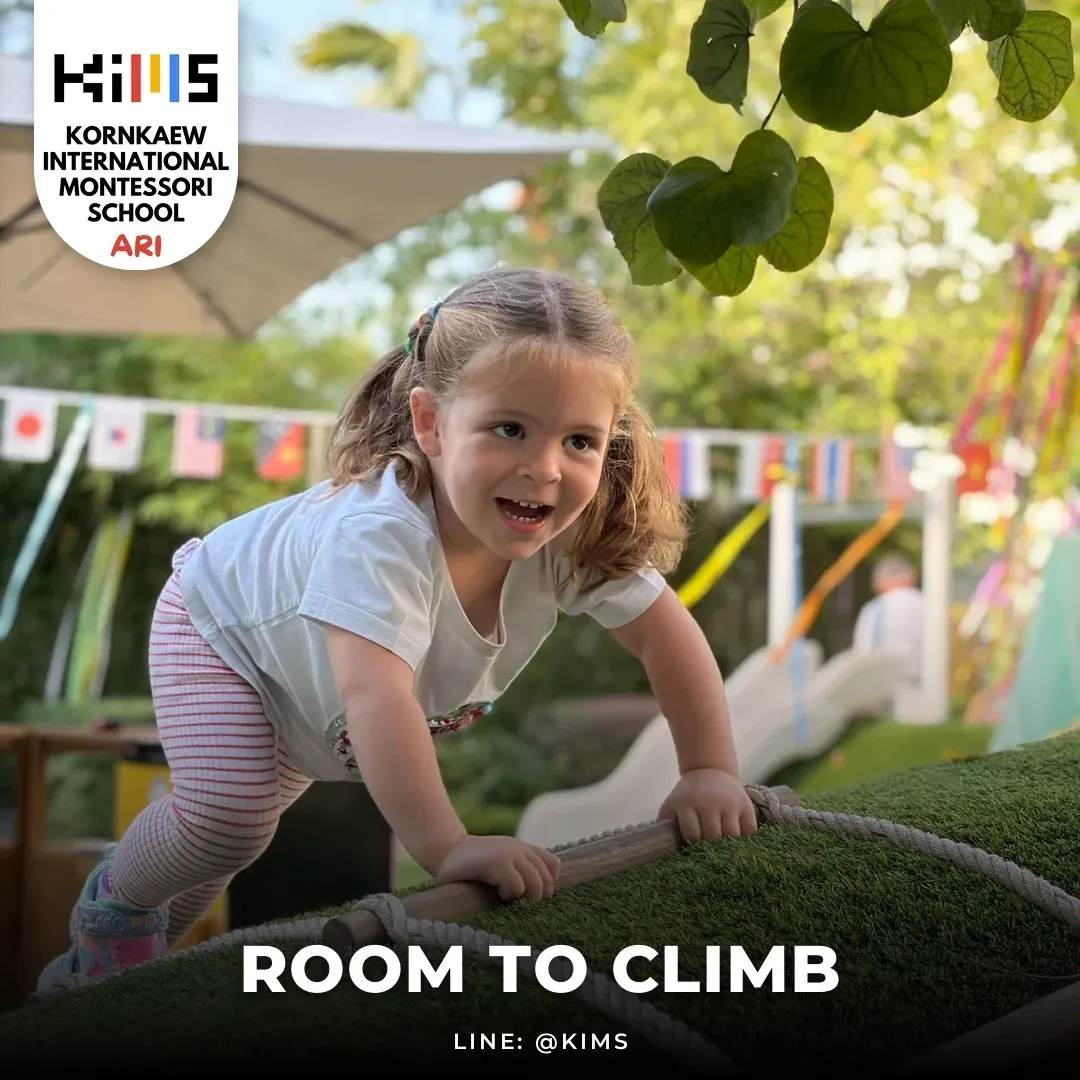
Climbing is not just play; it is serious developmental work. Pulling herself up and over a grassy mound builds strength, balance, coordination and the confidence to take on something a little hard. Our outdoor spaces are designed for exactly this, so children grow strong, capable bodies the natural way.
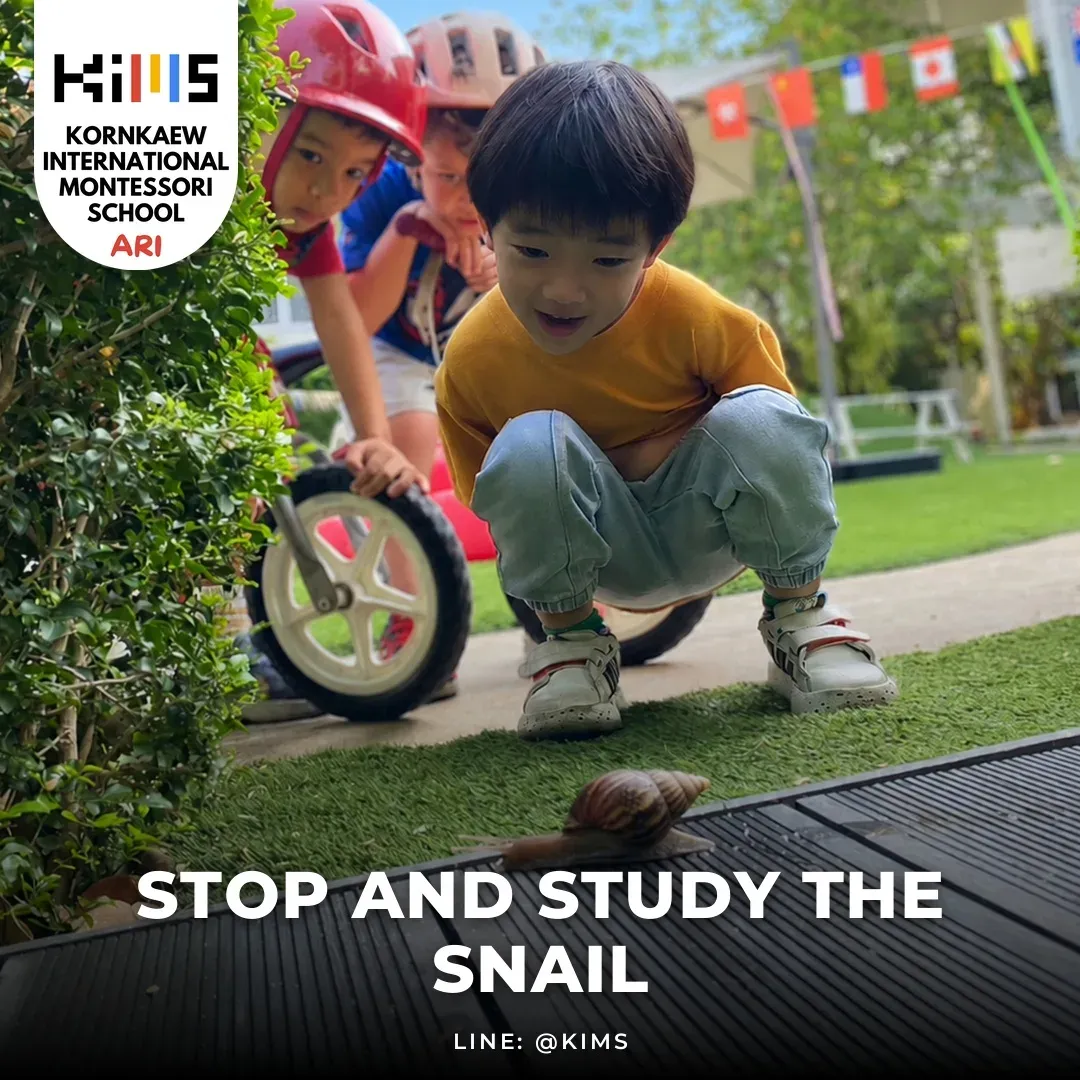
This is how young children first become scientists. A snail crosses the path and everything stops, even the bikes, as the children crouch to watch. Noticing, wondering, looking closely at the living world: that is curiosity in its purest form. The best learning materials are not always on a shelf; sometimes they cross your path on their own.
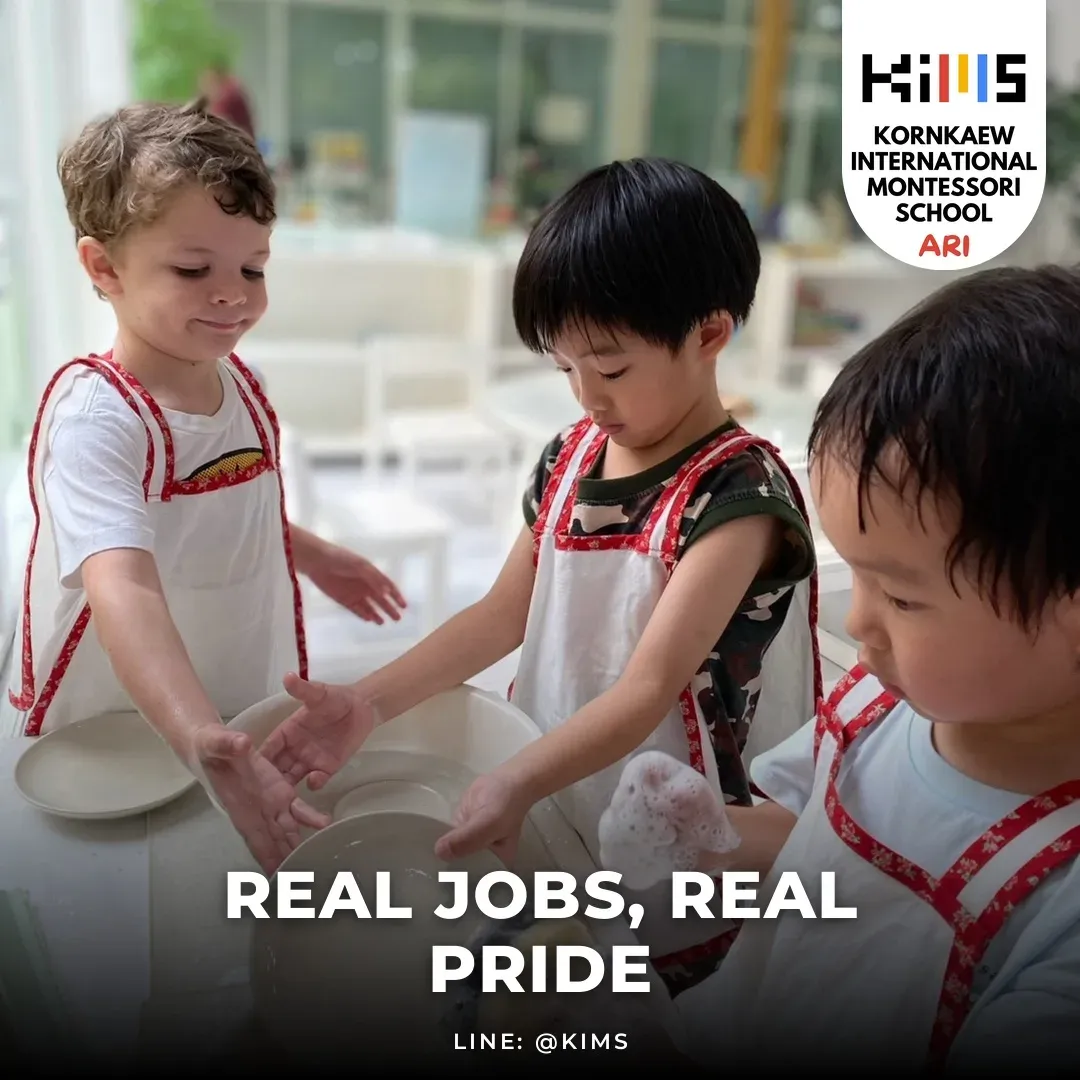
Why do we let young children wash the real plates? Because it is some of the most valuable work they can do. In Montessori we call it Practical Life: caring for the classroom builds responsibility, sequencing and concentration, and a sense of belonging to a community they help to run.
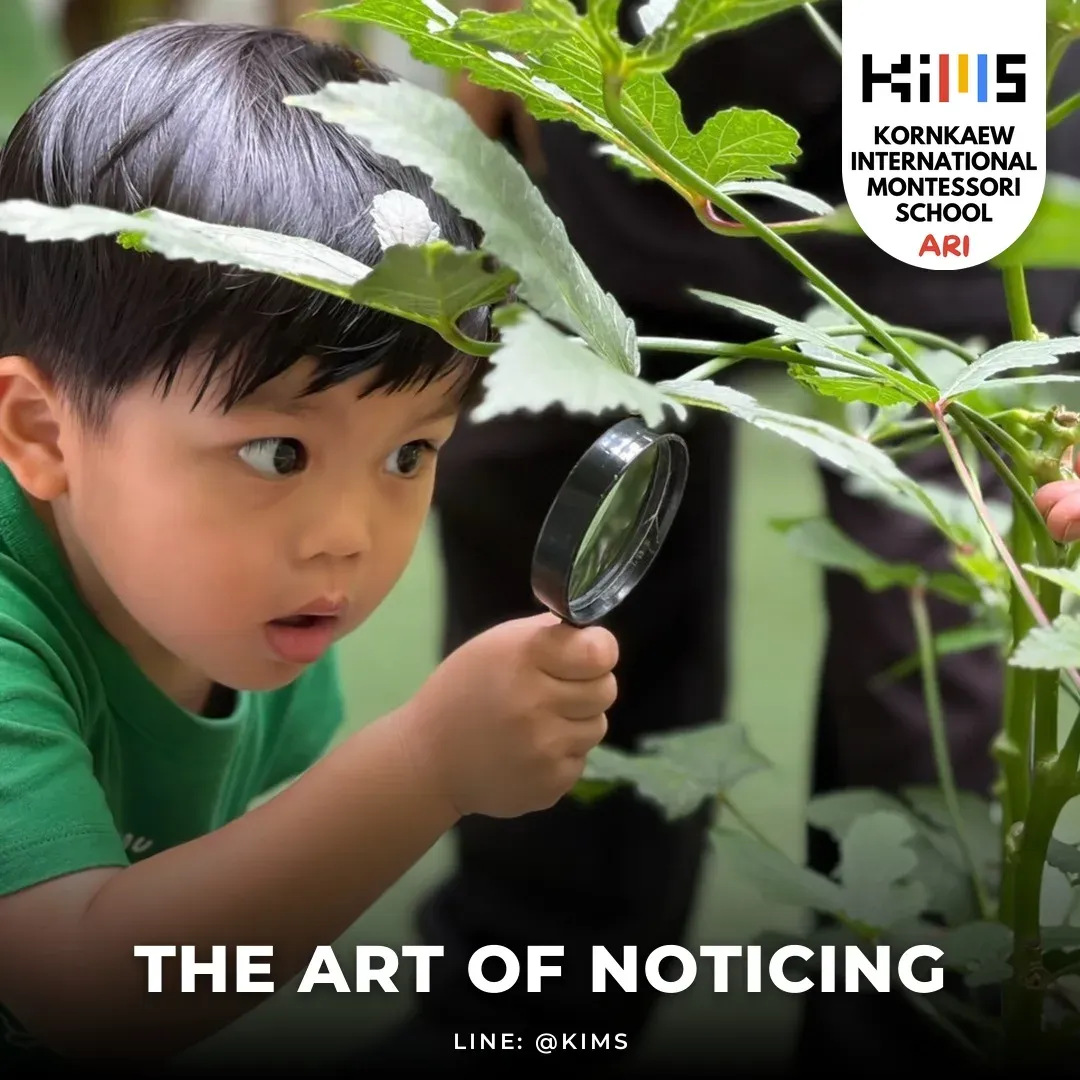
Real science begins with one simple habit: looking closely. Give a child a magnifying glass and the smallest leaf becomes a wonder. Learning to notice small details and ask why is the first scientific skill of all, and it builds the same careful attention a child brings to everything else they learn.
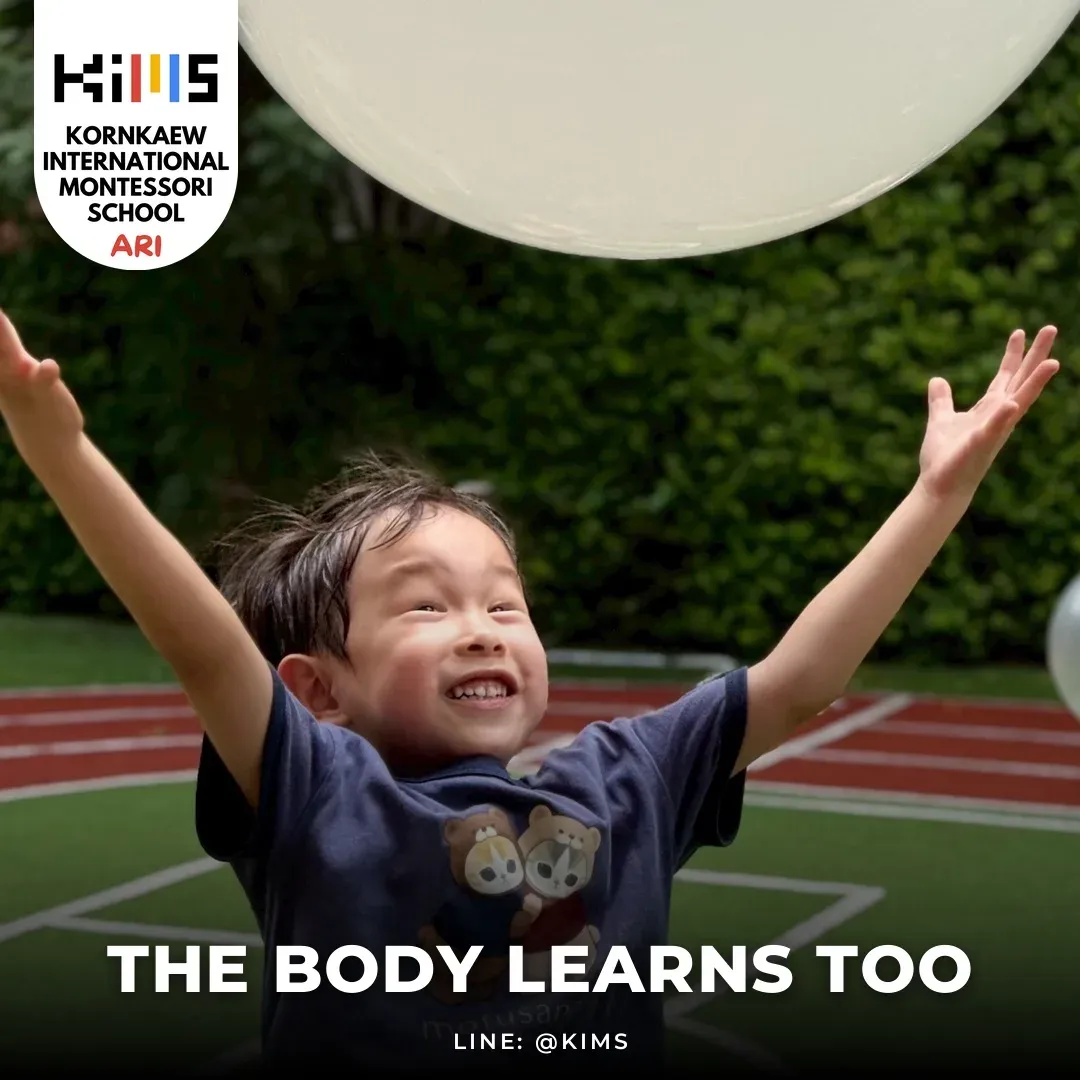
In the early years, the body and the brain grow together. Balloon volleyball looks like pure fun, and it is, but every reach and balance strengthens the systems a child will later use to sit still, focus, even read and write. Movement is not a break from learning; it is one of its foundations.
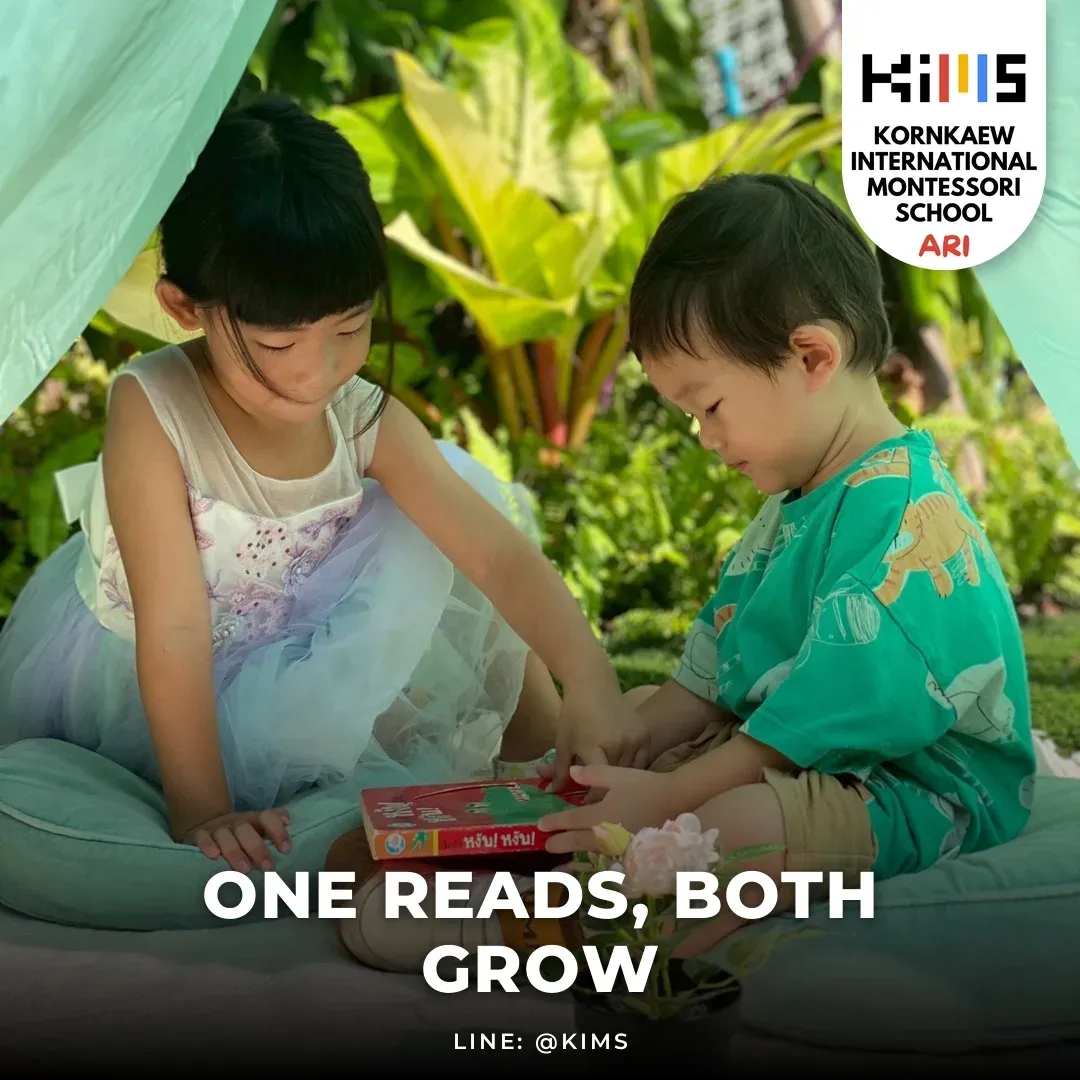
The fastest way to understand something is to teach it. In Montessori, ages mix on purpose: the younger child reaches higher, the older one deepens their own grasp by explaining. And here reading is welcome everywhere, garden tent included, so children read because they want to.
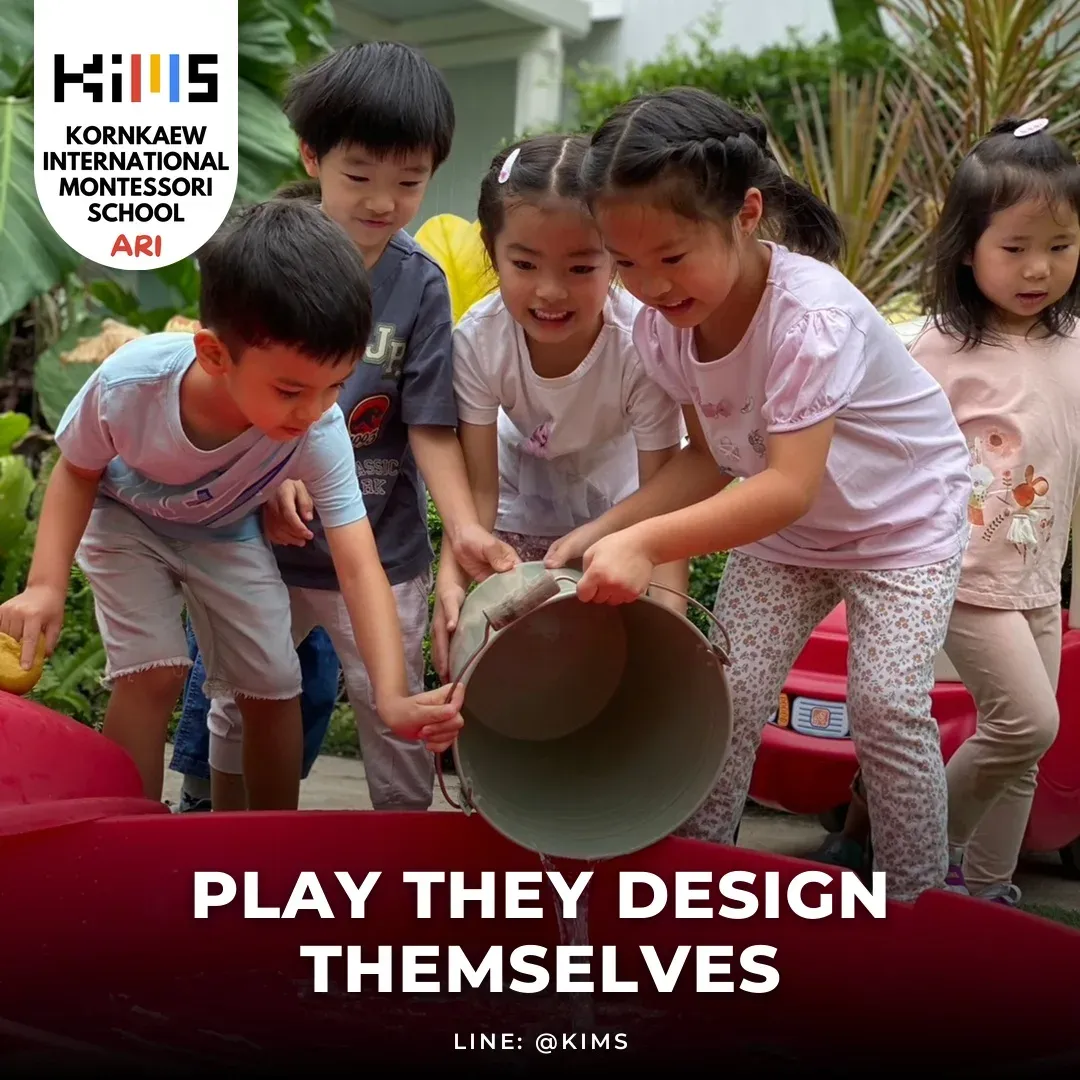
Give children a few materials and no single right answer, and they build a whole world. Designing their own water-play station, they have to imagine, plan and solve problems: real science, language and maths, through play they invented themselves. Future-ready thinking starts here.
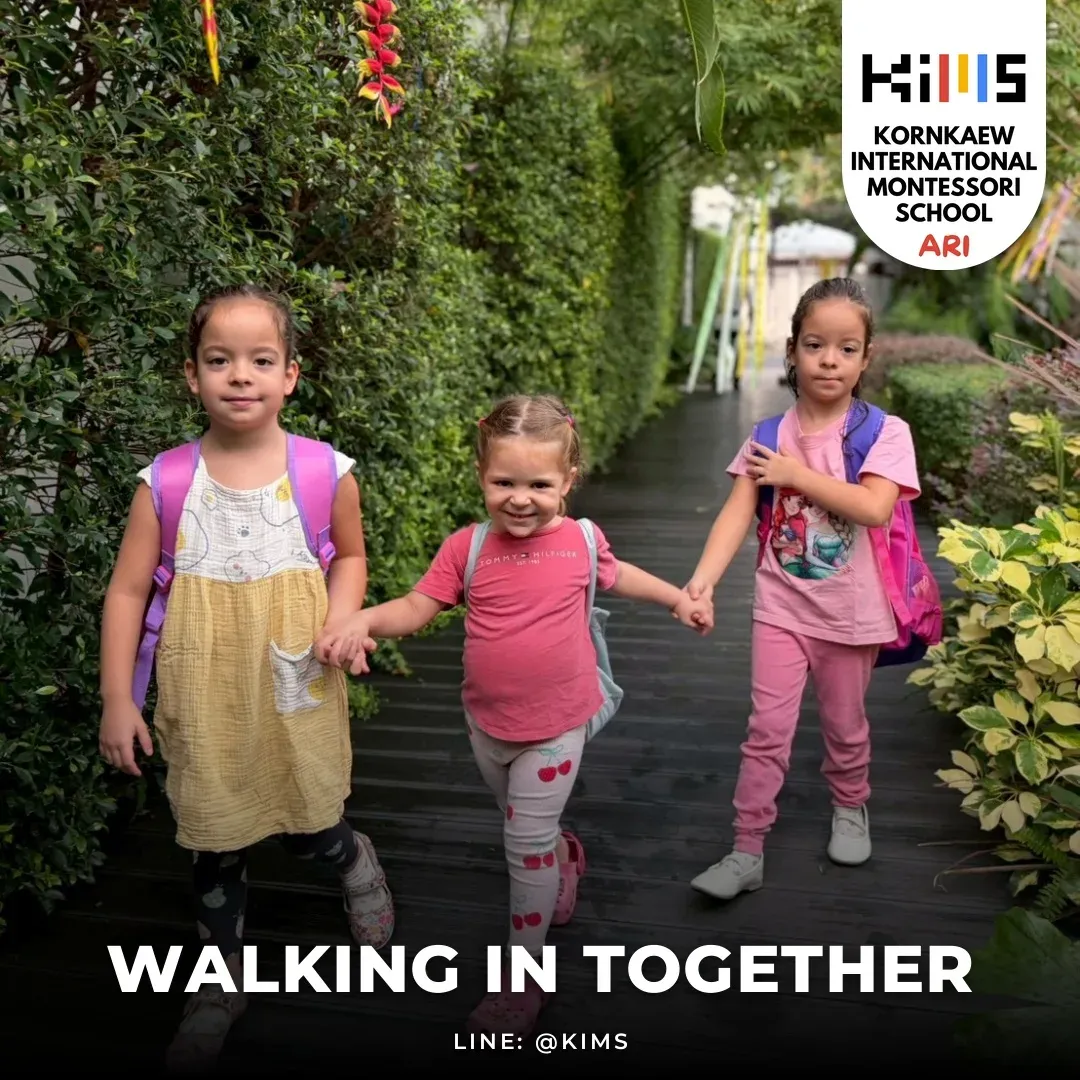
There is a quiet magic to the start of the school day. Friends find one another at the gate, hands are held, and the walk in becomes its own small adventure. Mornings like this matter more than they seem. A child who arrives feeling happy and safe is a child ready to learn. This is what an ordinary Tuesday looks like at KIMS, our international Montessori school in Ari.
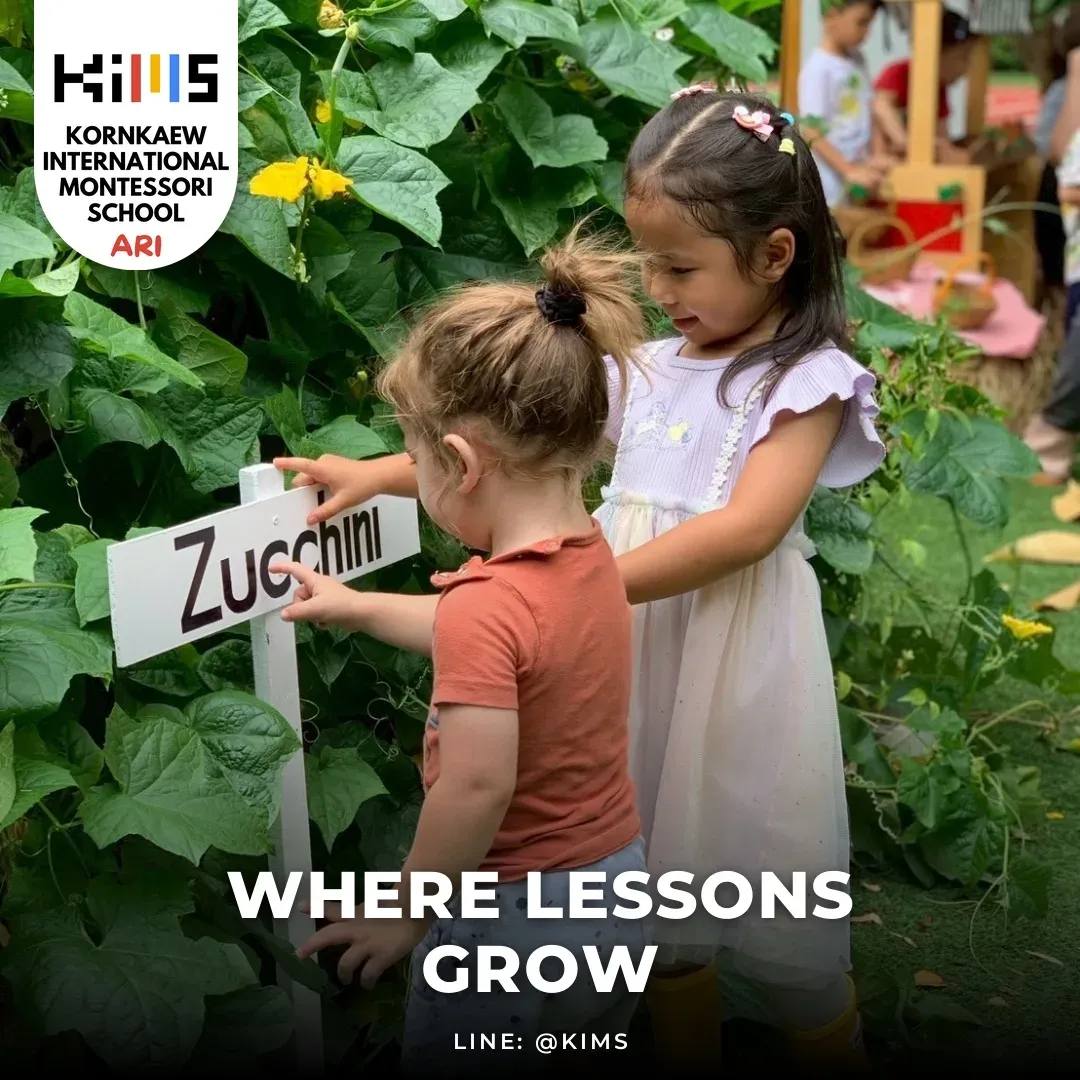
What can a zucchini teach a child? More than you might think. As part of our Farming and Agriculture activity, children at KIMS plant their own crops, tend them week by week, and harvest what they have grown. Along the way they are doing real maths and science, real language and art. They are also learning patience, teamwork and care, with their hands in the soil. This is the Montessori difference: lessons a child lives, not lessons they are simply told. Discover it in person.
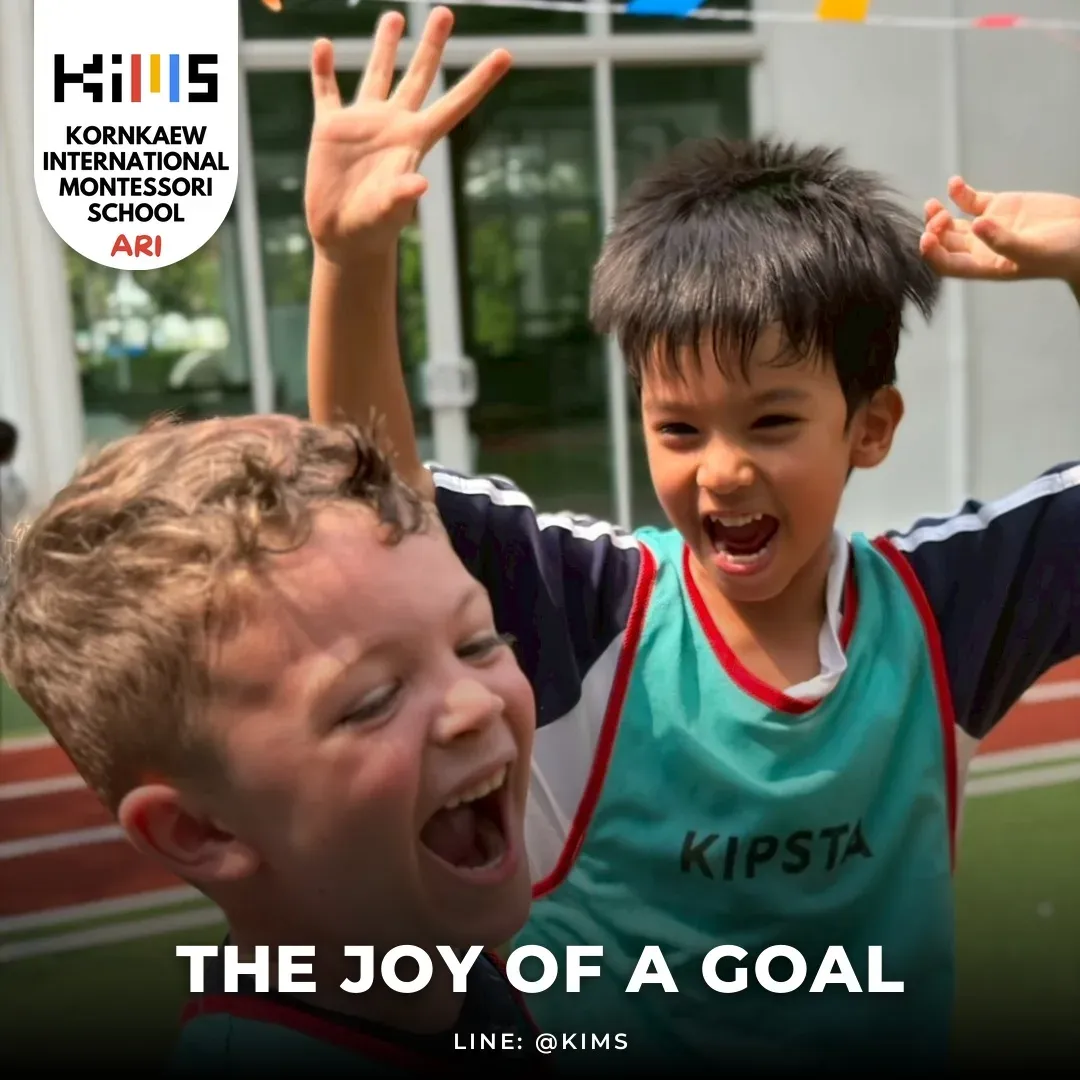
Some moments need no explanation. A goal scored, arms thrown high, two friends cheering as one. Pure, uncomplicated joy. Play like this is far more than fun: it is how children build teamwork, resilience, and the confidence to try, miss, and try again. At KIMS we make room for these moments every day, because a happy childhood and a strong start are the same thing. Come and see for yourself.
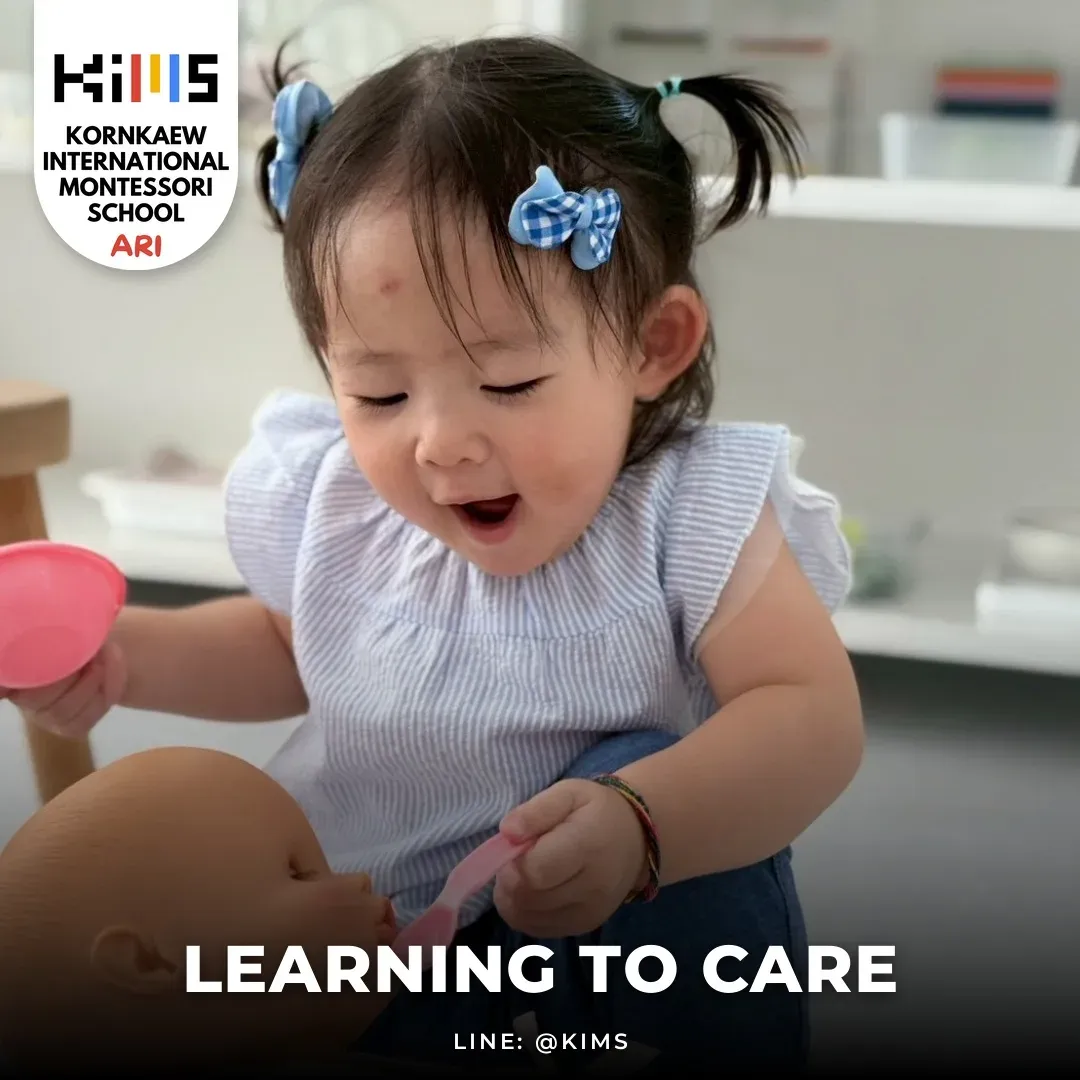
Caring for others is a skill, and like every skill, it grows with practice. Feeding a baby doll, spoon by careful spoon, our youngest children practise gentleness, patience and empathy. It looks like play, and it is. But it is also where those qualities quietly take root. These are the future-ready skills a child carries long after the school day ends.
See KIMS for yourself on a private visit.

Assessed and accredited by ONESQA, the Office for National Education Standards and Quality Assessment.

A member of the Thailand Association of Montessori Schools, established 1997.