
Entrepreneurship ecosystem
Playing shop, for real.
Every parent remembers playing shop. At KIMS, children do it for real, with their own currency: KIMS coins. They earn them by working, save them at the KIMS Bank, and spend them at the markets they run themselves. It is money management small enough to hold in a child’s hand.
It is one of the three pillars of Montessori X, and it is not confined to one lesson. It runs through the whole school day: coins are earned for jobs from morning to afternoon, markets open in different parts of the school, and there is an Entrepreneurship lesson of its own in the afternoon, which sometimes brings in the farm too. Every sale is a small negotiation, which is where the future-ready skills get their sharpest practice.
How a KIMS coin travels
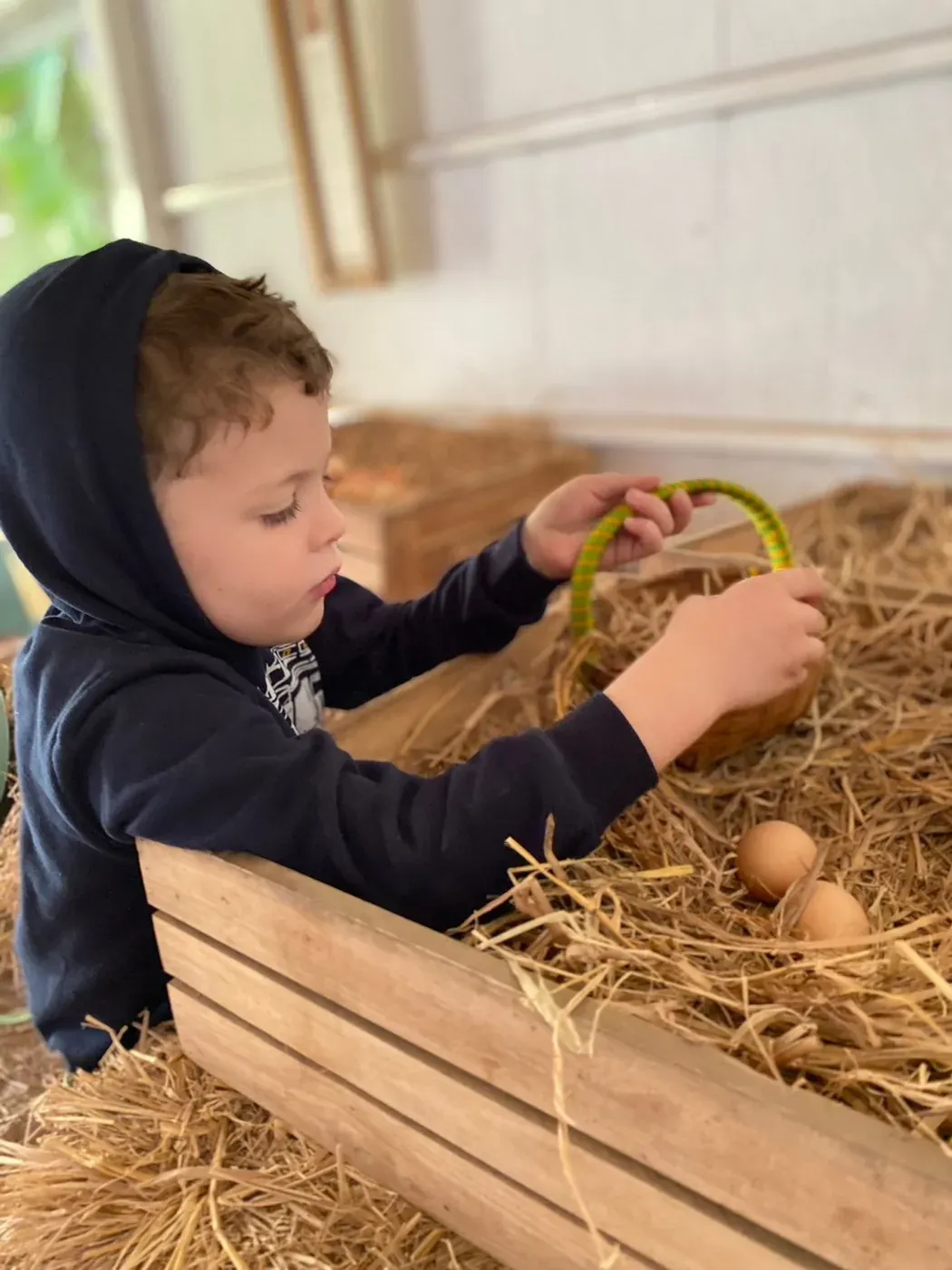
1. Earn Coins are paid for jobs around the school: helping as the teacher's assistant, collecting the eggs, caring for the farm, running the market stall. Children learn that money comes from work.
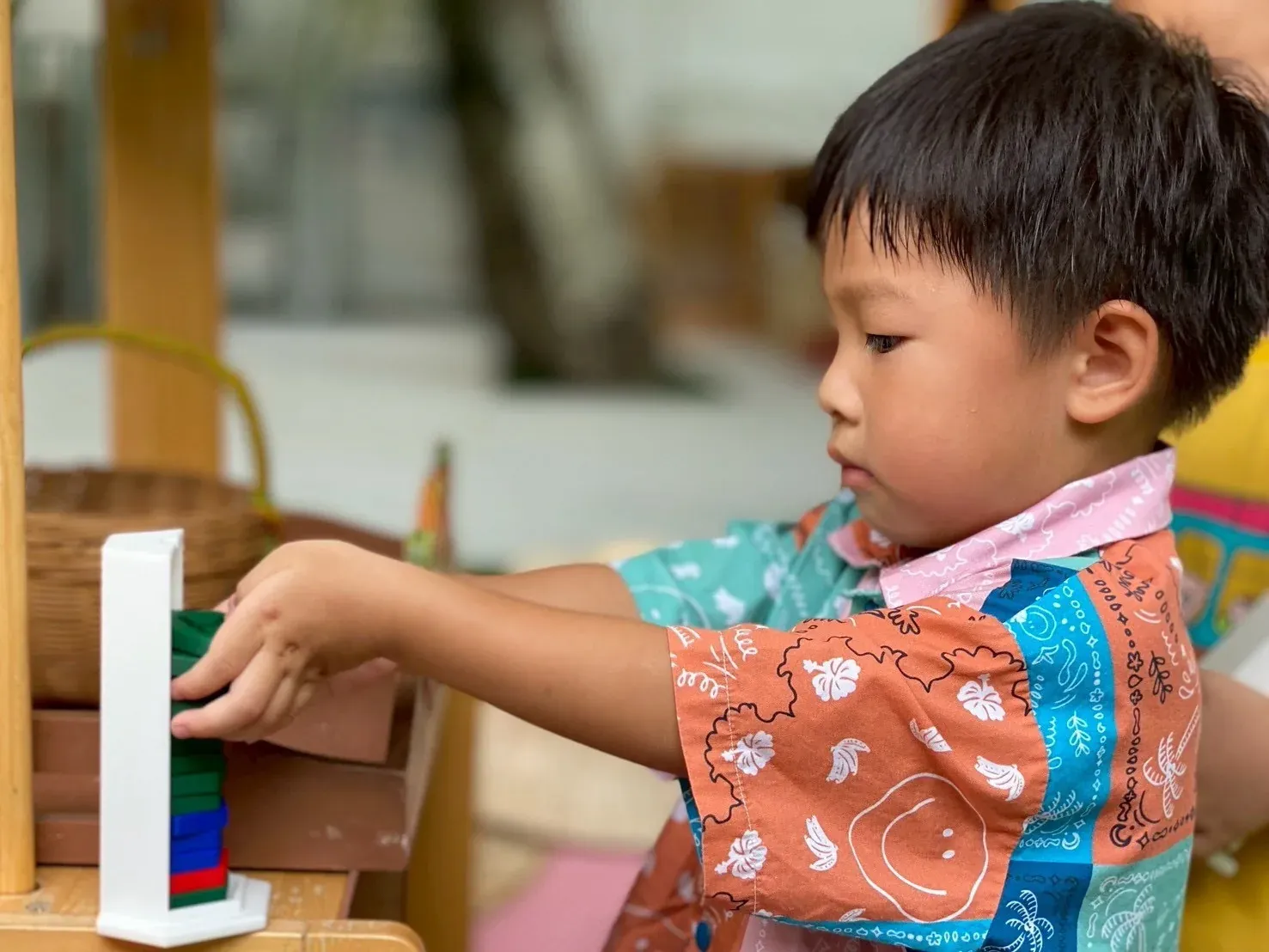
2. Save Every child has a wallet of their own, and the coins go in one at a time. What they are not spending they deposit at the KIMS Bank, and withdraw themselves when they need it. Saving up for something bigger means waiting, and choosing, and counting as they go.
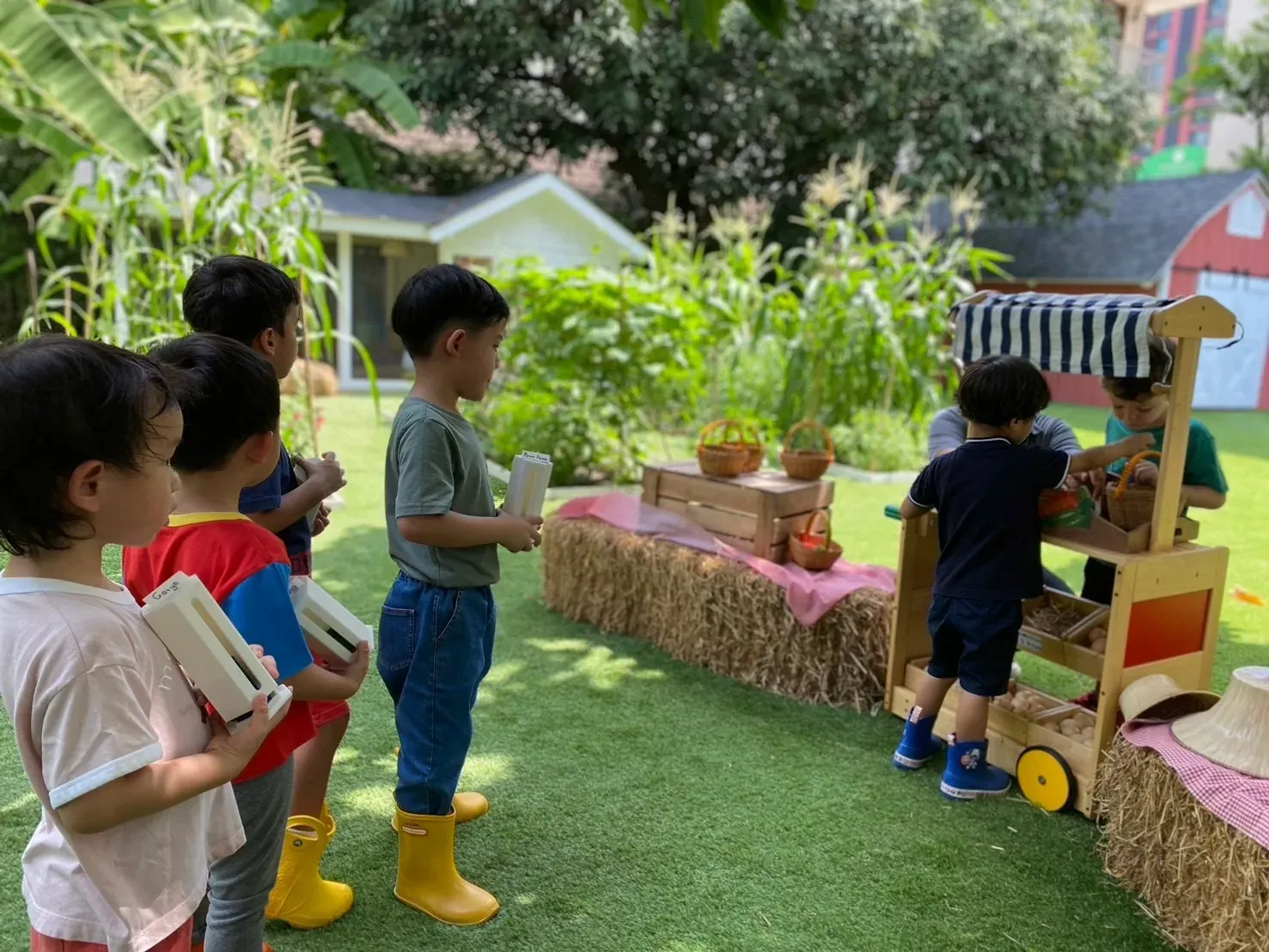
3. Spend Queueing at the stall to spend what they have saved: vegetables and eggs from the farm, a toy a friend has finished with, the materials for a project. What they buy is theirs to take home. When the coins run out, so does the shopping: a first lesson in budgeting.
Then the cycle begins again: another job, another coin.
The KIMS Market
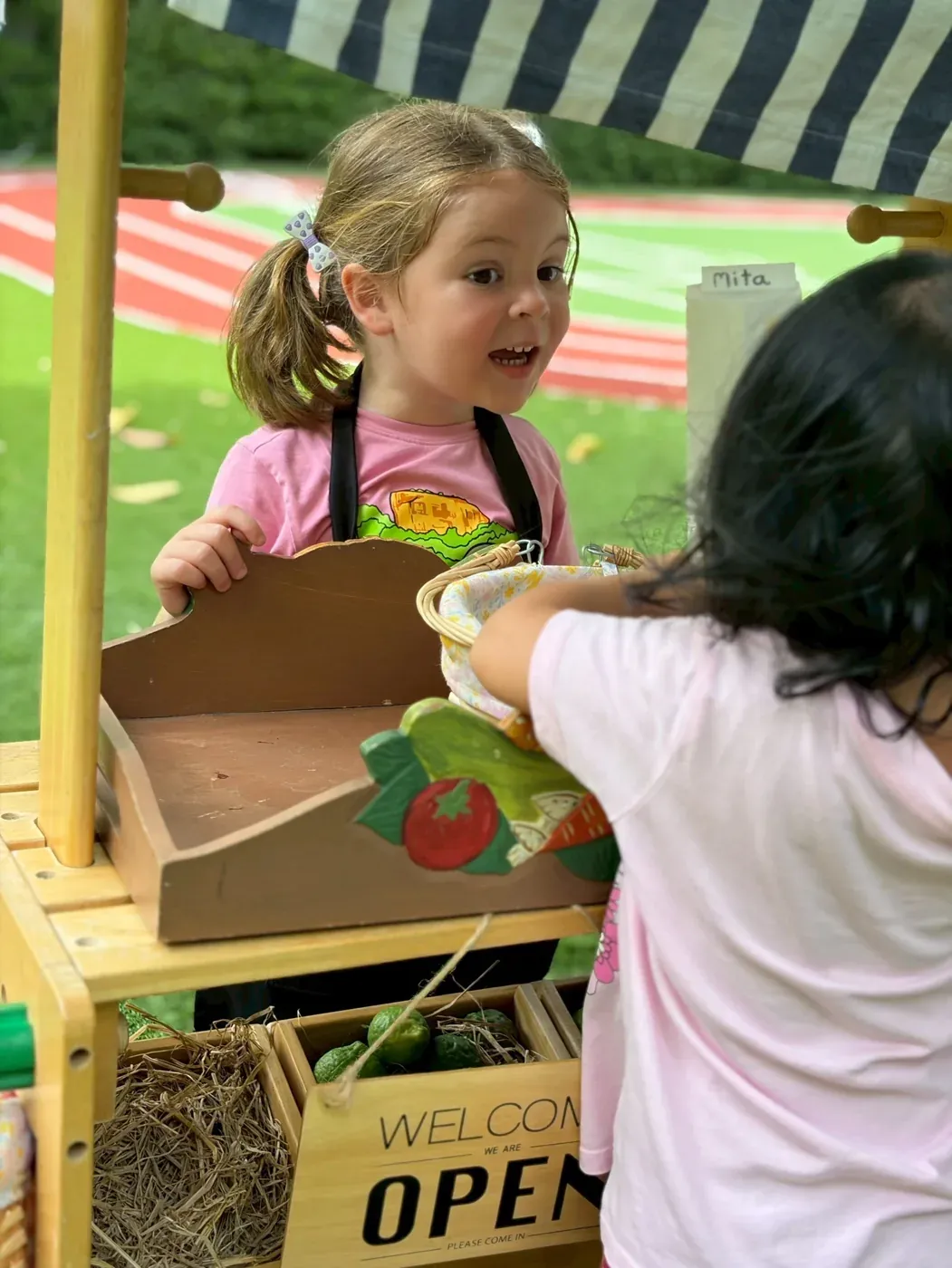
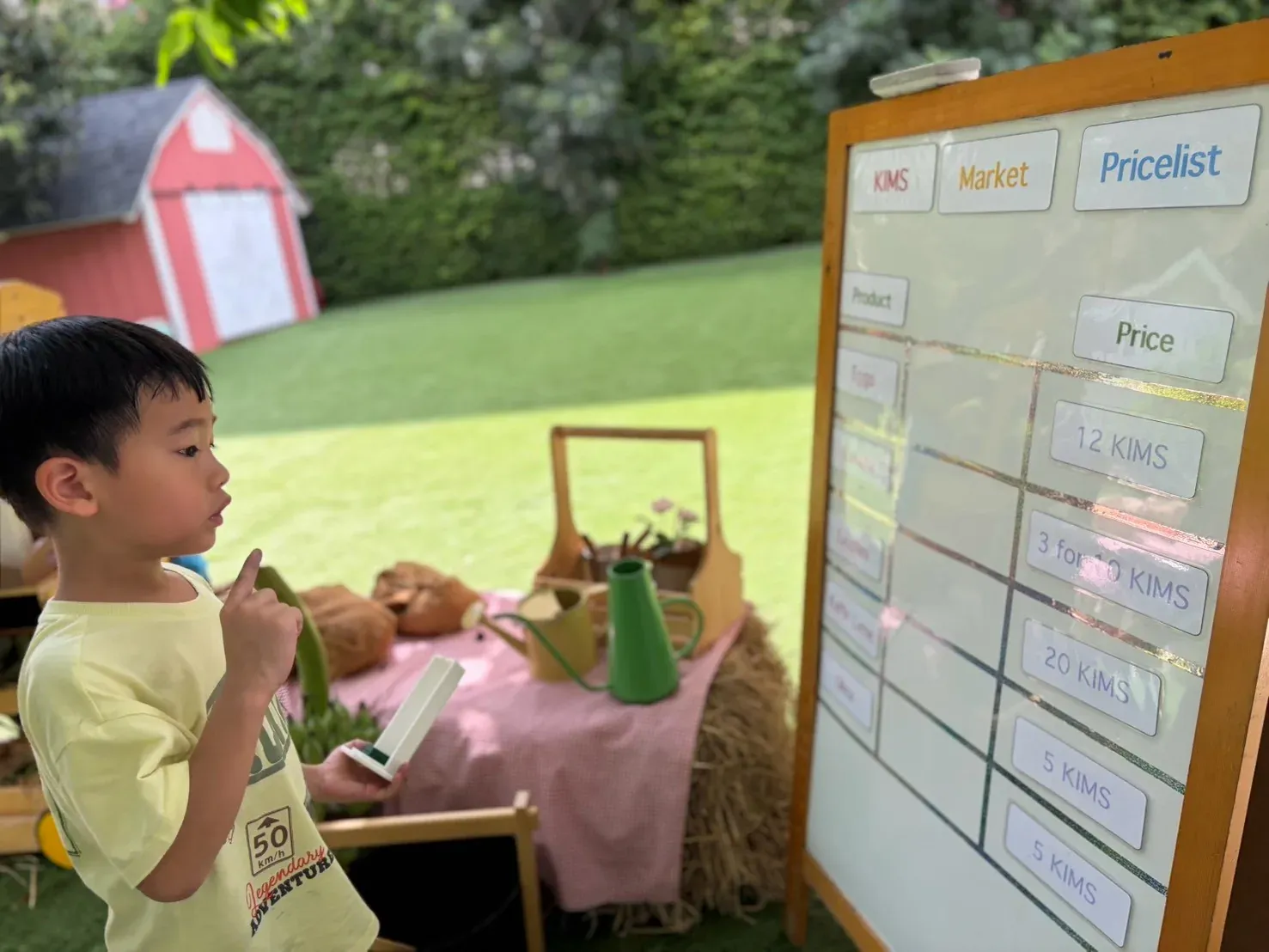
Children set up the market themselves, with the vegetables and fruit they harvested and the eggs from the school’s hens. They price the produce, run the stall and serve their customers, then take their turn as shoppers. Selling teaches how to greet a customer and count change; shopping teaches how to choose within a budget.
The market at the end of Farming is the one children know best, but the KIMS Market opens wherever they have something worth trading, in the Entrepreneurship lesson and beyond. Each time the same questions come round: what is this worth, do I want it enough, can I afford it, and would anyone buy mine?
What children learn
- A coin stands for work. Money comes from effort, not from asking.
- Saving means waiting. Something bigger later can be worth more than something small now.
- You can only spend what you have. The first idea of a budget.
- What something is worth. Setting a price, agreeing one, and seeing when it is too high for anyone to buy.
- Maths they care about. Counting coins, adding prices, giving change.
- Reading the prices and deciding. The price list is up on the board by the stall. Children read it, compare what things cost, work out how far their coins will go, and choose. Wanting two things and affording one is where reasoning starts.
- Confidence with people. Greeting customers, answering questions and saying thank you.
Part of Montessori X
The stall at the end of Farming is stocked by the farm ecosystem: eggs, vegetables and fruit the children picked that morning. At other times the market needs no farm at all, only something worth selling. And every job, sale and saving plan puts the future-ready skills to work: planning, patience, problem solving and care for others. See Montessori X on the KIMS campus page.
Visit us
KIMS (Ari Campus)
21 Ari 3, Phaholyothin Rd., Phaya Thai, Bangkok 10400
Tours run outside school hours, so you see the classrooms and the grounds without disturbing the children.
Book a private tour